Surveying in South Africa very rarely happens in perfect conditions, things like heat, dust, long field days, remote terrain, and unpredictable weather are just part of the job. At the end of the day your equipment needs to keep working when the environment stops being comfortable. This is exactly where the Reach RS2+ starts to make real sense.
Built for Real Field Conditions
Let’s start with something simple, survey equipment lives outdoors, and it gets exposed to dust, moisture, temperature swings, and rough handling during transport and setup.
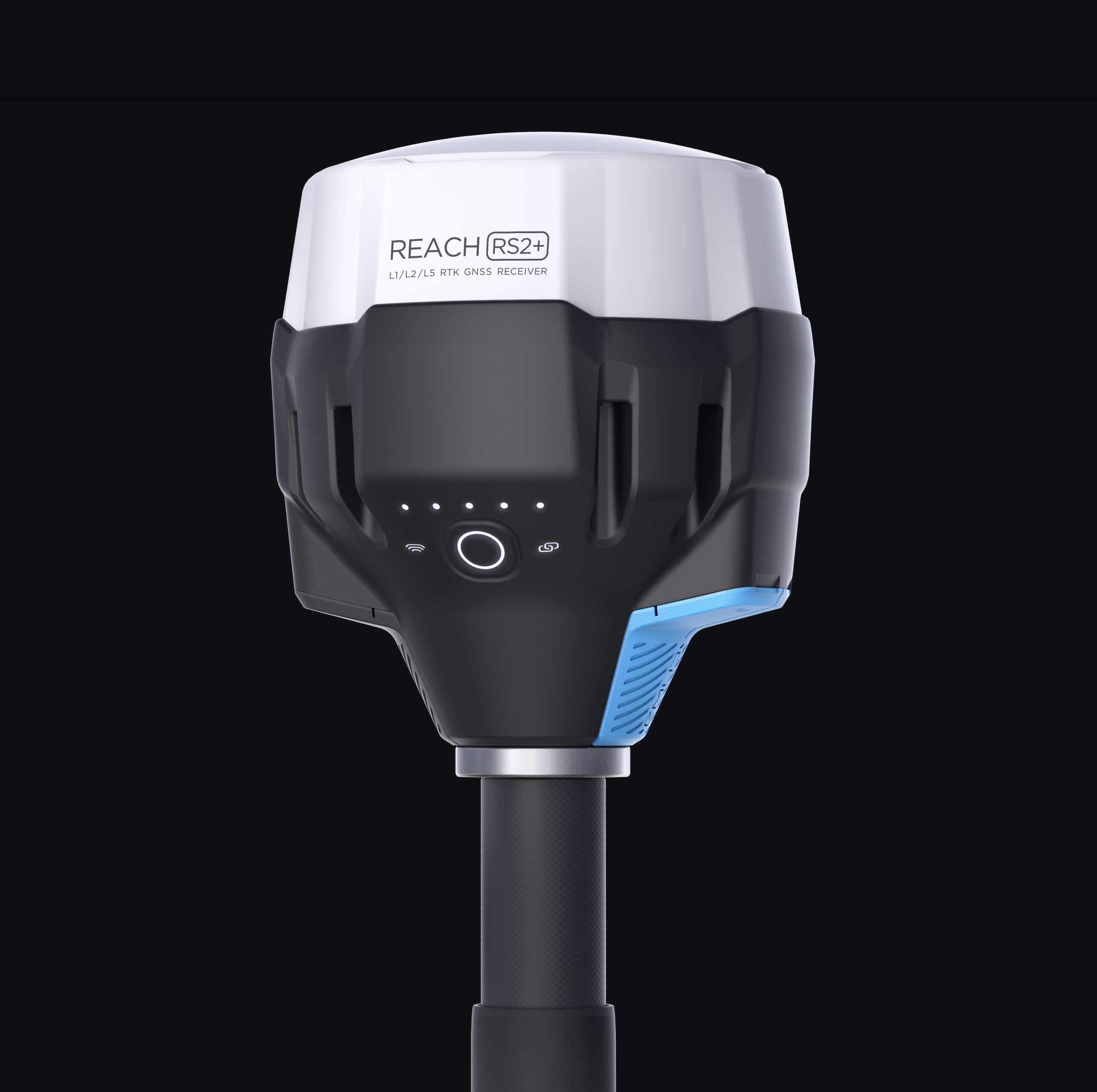
The Reach RS2+ is built with real field conditions in mind. With an IP67 rating, it keeps dust out and handles exposure to water without giving up halfway through a job. This makes a practical difference in the field.
Let’s look at two examples of how different conditions can actually be during surveying.
In the Karoo, fine dust slowly works its way into equipment, while in the Free State, open land and steady wind mean constant exposure to soil and particles in the air.
Coastal conditions bring another big challenge, one that either outright kills equipment over time or degrades it. That challenge being the persistent humidity in areas like Cape Town and Durban that present a unique challenge to most equipment working long term in those areas.
In South African conditions, durability is not a luxury, it’s very simply put an operational & reliability necessity to make sure the equipment we take into the field keeps running.
Temperature Stability in the Field
Field work doesn’t happen at one steady temperature, you can start in a cool morning and be standing in full heat a few hours later, especially in open parts of South Africa.
Some equipment does not handle this shift in temperature very well at all, and the real deeper problem with that is that, when the equipment’s hardware itself starts behaving inconsistently, the accuracy of your data usually follows along with it
The Reach RS2+ Is Built for These Conditions
The Reach RS2+ is built to keep operating across changing temperatures without drifting or becoming unstable. That stability sounds small, but it makes a very real difference on the ground.
When equipment behaves the same way throughout the day, positioning stays predictable, and teams are not forced to stop and troubleshoot in the hot sun or humid air when they should be collecting data.
This does two things at once it preserves the uptime that your team doesn’t need to spend trouble shooting equipment, and equally as important gives you peace of mind knowing your data is accurate and reliable, even when the conditions around it are not.
Long Battery Life in Real Field Work
Battery life only really starts to matter once you are far away from power, and let’s be honest, that happens often. This becomes important specifically because many survey jobs take place where charging is not always nearby, and stopping halfway through to deal with batteries slows everything down.
How Long Does the Reach RS2+ Battery Last?
The Reach RS2+ is built to keep running for an impressively long time on a single charge, up to 22 hours or around 16 hours when used as an LTE RTK rover.
Which simply makes a field day and your life as the operator easier. You don’t have to stop to charge as often, you are not swapping equipment, and you are not planning your work around power. The survey keeps moving, and data collection stays steady from start to finish!
Designed for Remote and Demanding Environments
A lot of surveying in South Africa happens far from controlled conditions. Infrastructure routes, land development, agriculture, and mining often mean long days in remote areas where equipment needs to keep working without constant attention.
The Reach RS2+ is designed for that reality. Durable, stable, and built to keep operating, even when the environment is not ideal. In practice, this means fewer interruptions, less downtime, and a smoother workflow across the full length of a project.
Looking for the Latest Hardware?
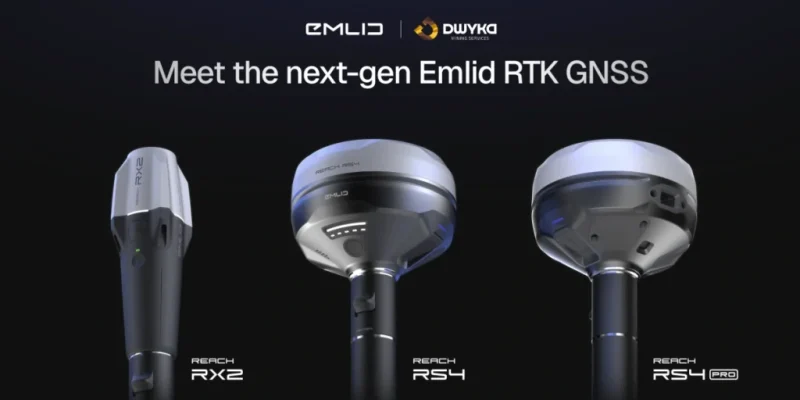
For teams considering newer hardware, the Reach RS4 Pro introduces several additional field advantages. The key benefits of the RS4 Pro include its dual-camera system, which is particularly useful when you’re unable to physically access a location to capture a reference point.
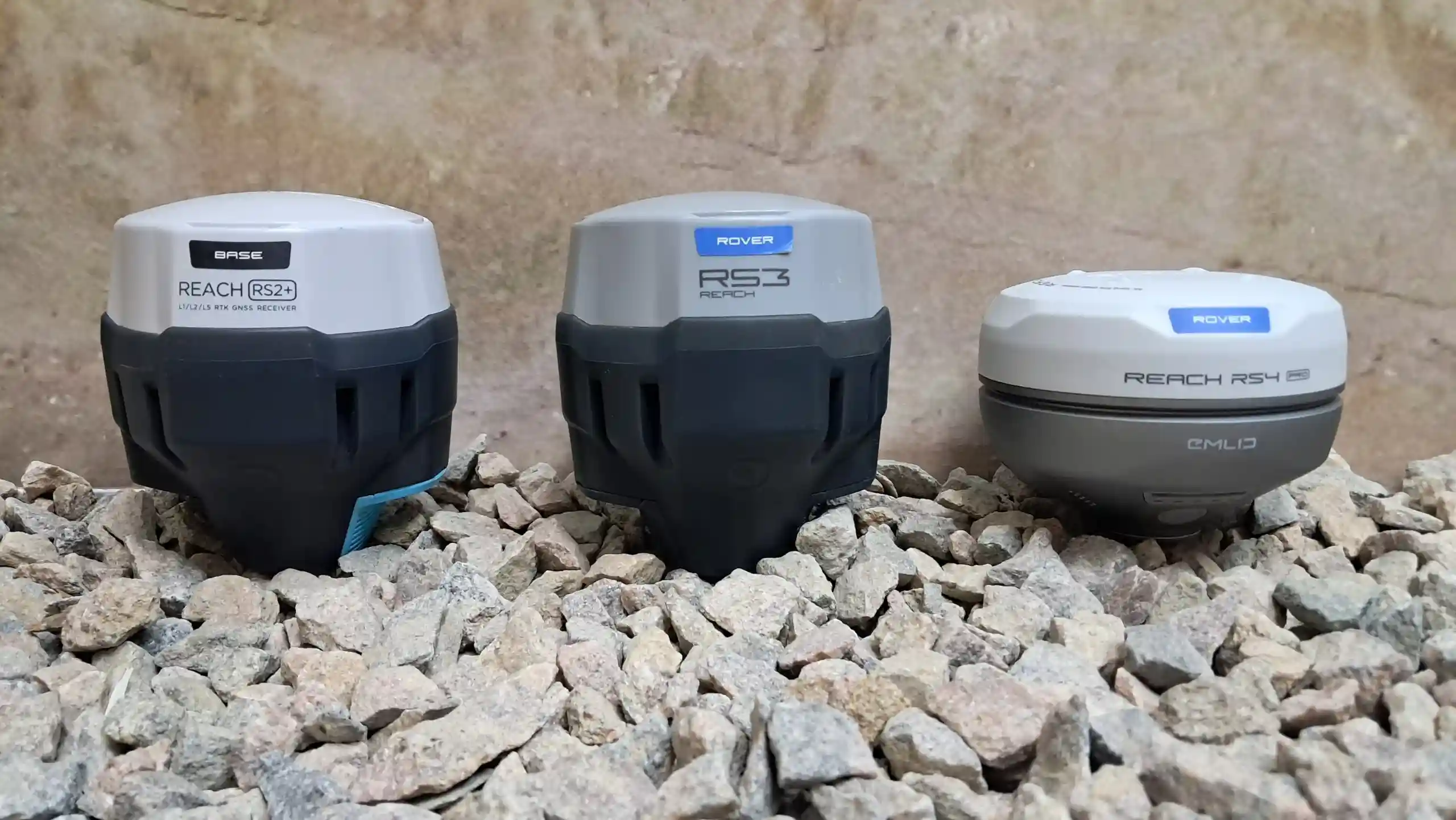
The camera functionality allows you to take images, select the required point within the app, and obtain the corresponding coordinates directly. Additionally, the magnesium alloy body makes the unit both stronger and lighter, improving durability while maintaining ease of use.
Where Can I Buy a Reach RS2+ in South Africa?
Performance matters, but let’s be honest, so does knowing exactly where to get your equipment from, and who supports it. In South Africa, the Reach RS2+ is available through DWYKA Mining Services, you can also reach out to us for more information on the Reach RS2+ if you have any questions you feel we didn’t fully cover!
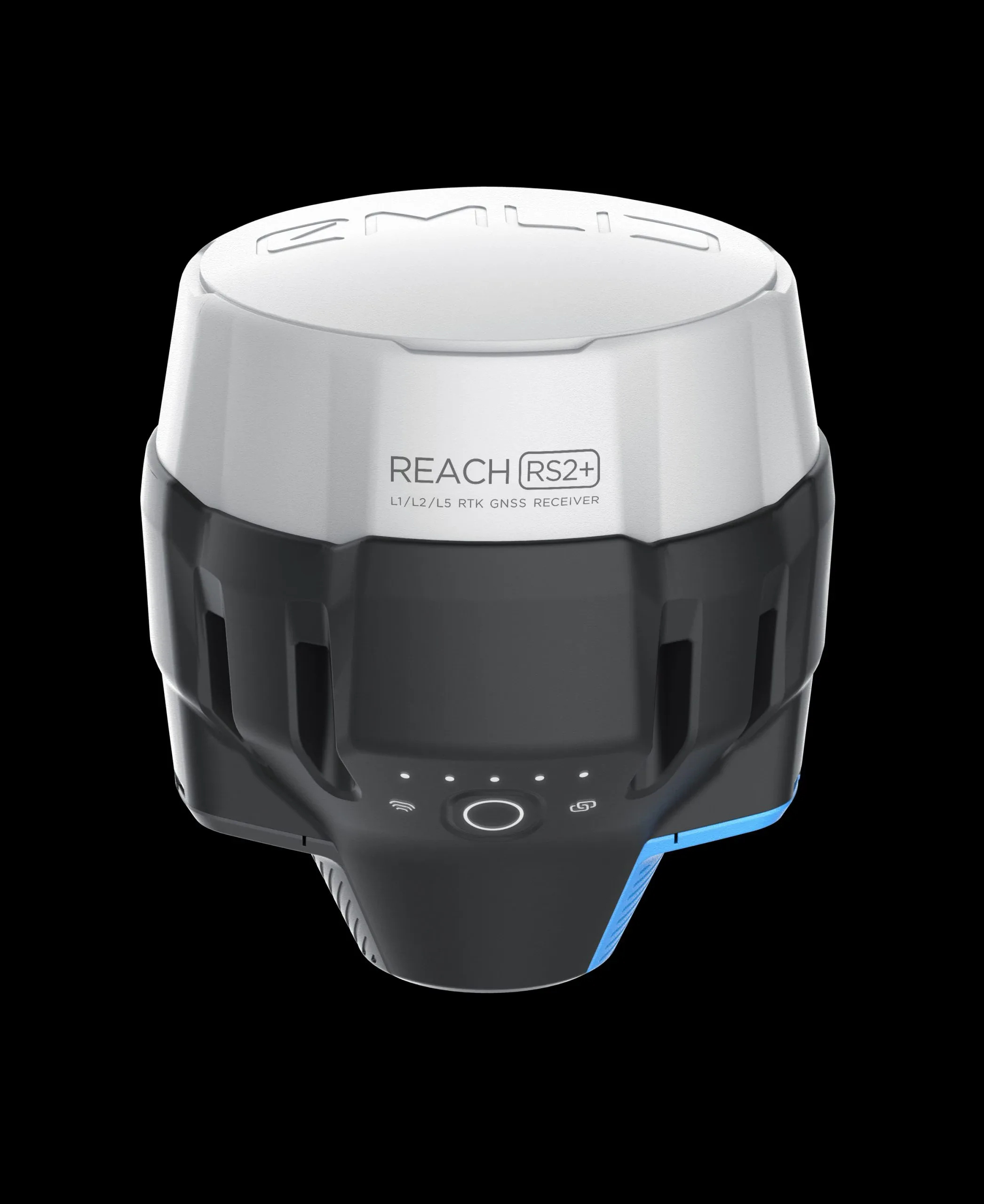
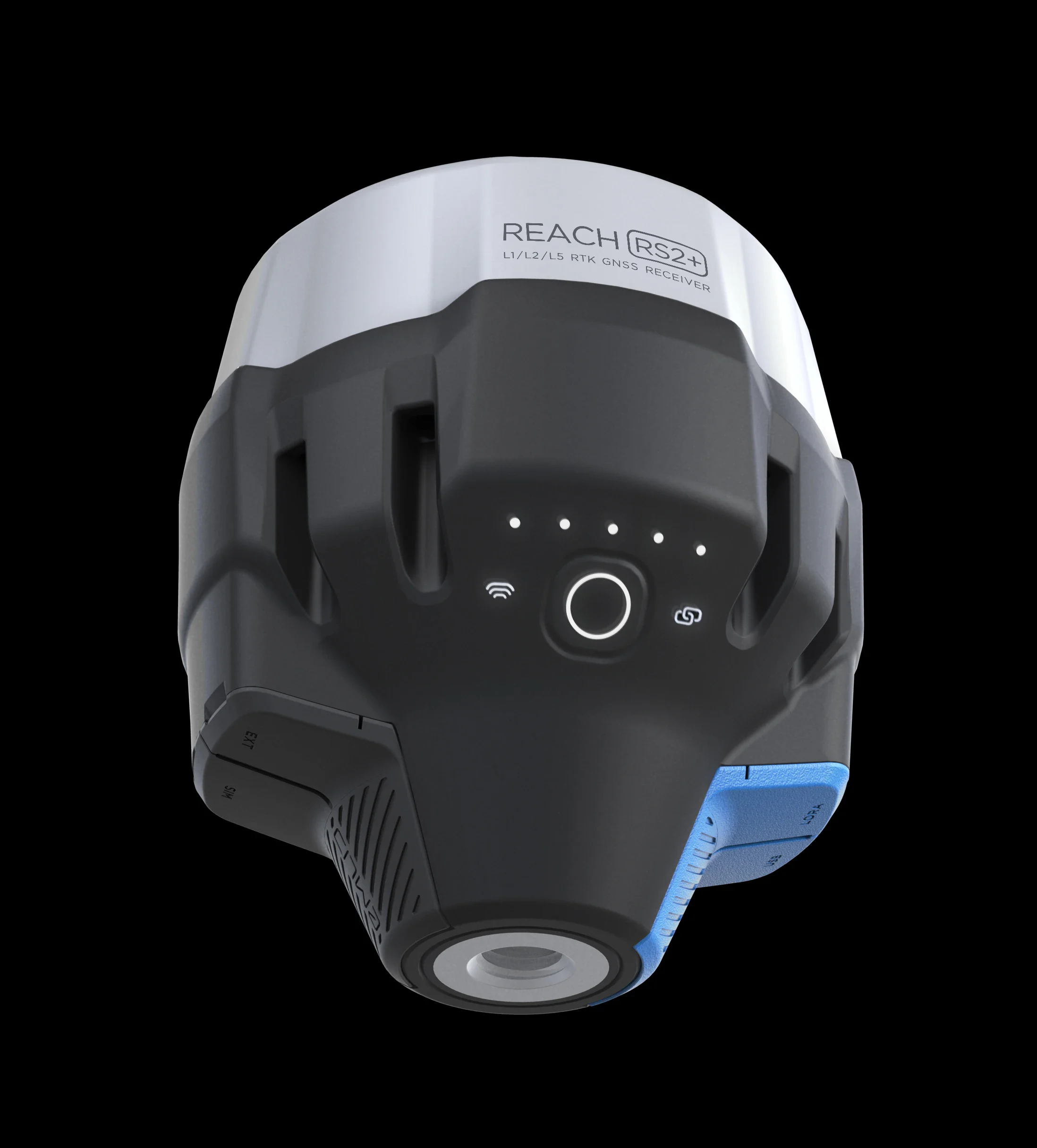
Working with a local supplier has its advantages too, it means you are not waiting weeks for answers or struggling to find parts when something is needed. It gives teams confidence that if support is needed, it’s always close by.